



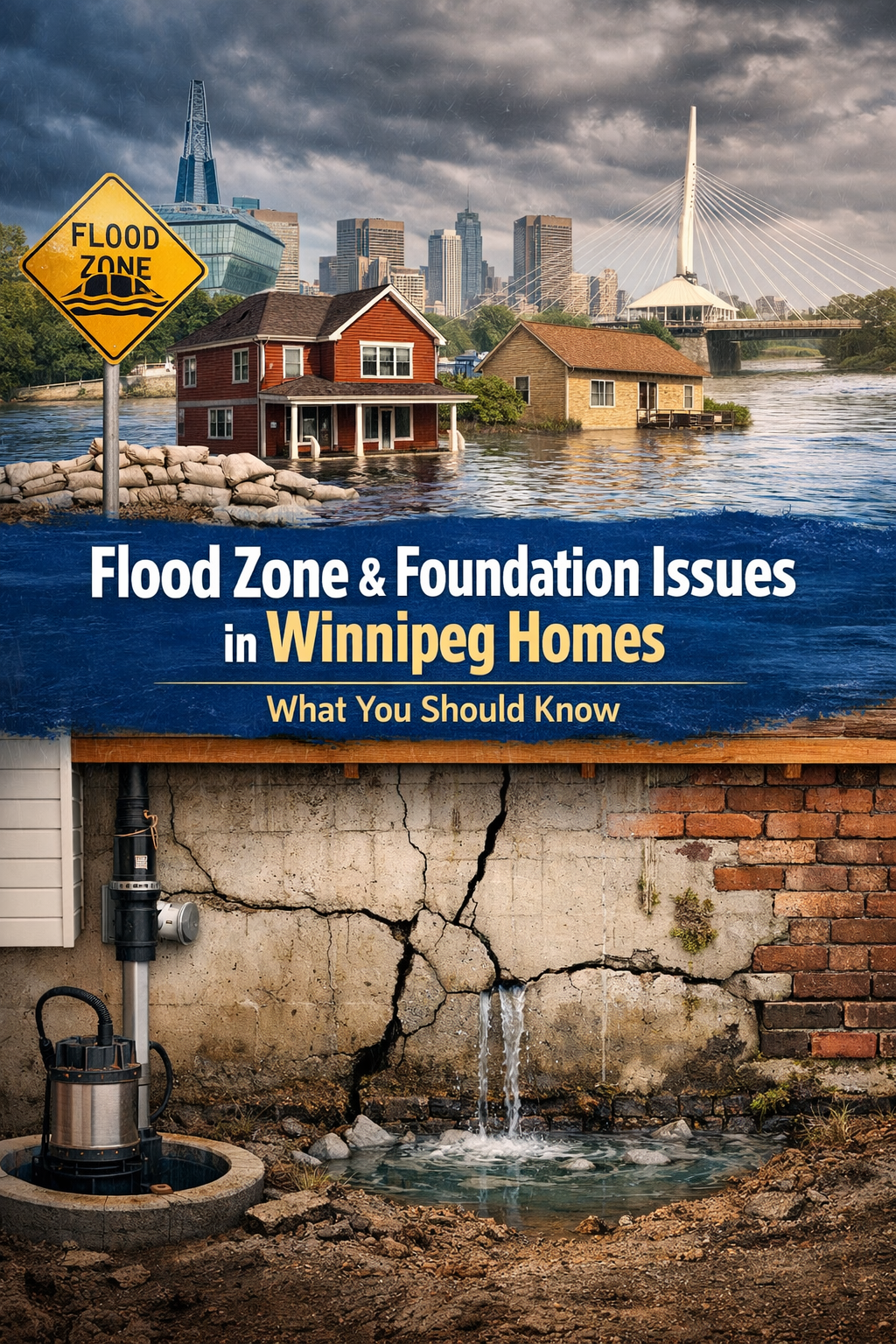
Winnipeg is a great place to reside — lively, historical and full of community spirit. Yet, like so many cities developed where a river meets the flat expanse of the plains, there are unique challenges living here, particularly as they relate to flood risk and concerns about foundations. Whether you’re considering buying a home, already own one or are looking to sell, learning how flood zones and foundation issues work together in this city is crucial — it’s not just about protecting your property but also making smart real estate decisions. In this guide, we’ll parse the key information — local numbers, helpful advice from experts — in a style that is straightforward and provides real utility. And should you ever be in need of navigating such matters in the Winnipeg market, Buy Houses Winnipeg is ready to assist.
Understanding Winnipeg’s Flood Risk
The location of Winnipeg in the historic floodplain of the Red River has resulted in relatively flat topography within areas like that shown from St. Vital. While today’s infrastructure has come a long way, flooding is still something that homeowners should consider.
Major Flood Events That Shaped Winnipeg
Here are some historical flood numbers that can help put risk in perspective:
- During the 1950 Red River flood, levels here remained above flood stage for more than 50 days. Some 100,000 were evacuated, with about 10,000 homes destroyed and thousands more damaged. The property losses were valued at $600 million to more than to $1 billion in today’s dollars. Wikipedia
- And since major floods — including ones in 1997, 2009 and 2011 — have repeatedly challenged the city even after flood defences were improved. Government of Manitoba
- The Red River Floodway (“Duff’s Ditch”), completed in the 1960s and enhanced to meet the challenges following the flood of 1997, offers a huge increase in terms of flood protection — from roughly a 1-in-160-year threat level to around 1-in-700-years. Government of Manitoba
Types of Flooding Common in Winnipeg
The City of Winnipeg points out a few ways water can damage houses:
- Basement flooding — all over the city, irrespective of your neighbourhood.
- Overland flooding — snowmelt, heavy rain or overflowing retention pond.
- River flooding — impacts properties found in risk areas from rivers.
Drainage systems can become overwhelmed during heavy rain or rapid thaws, and even with flood defences, flooding can be significant — so homeowners should keep alert and have a plan.
How Flooding Affects Homes & Foundations
Water and soil conditions are linked — especially in clay-laden soil areas, such as most of Winnipeg. These soil conditions retain water and expand or contract with moisture, resulting in foundation stress.
Why Foundations in Winnipeg Are Vulnerable
- Winnipeg’s high clay-content soil swells when saturated with water, and shrinks upon drying, putting pressure on foundation walls and slabs.
- The freeze-thaw cycle can additionally push and pull at those materials that the foundations are made of.
- In some other cases, older-style drainage systems or even a clogged weeping tile system can let water pool at the bottom of homes, increasing hydrostatic pressure.
Cracks, movement and moisture intrusion are typical results of these types of situations — problems that can start off small but quickly grow if they’re not addressed.
Common Warning Signs of Foundation Distress
Keep an eye out for visual and structural symptoms that often indicate other problems:
- Cracks in both the inside and outside the house walls
- Horizontal or diagonal foundation cracks
- Doors and Windows that Stick or are Misaligned
- Cracks in basement floors
- Cracks between the window/door frames and the structure
- Trip to moisture or mould in basements
- Misaligned brickwork or uneven floors
By watching out for these symptoms, you’ll be able to catch trouble before it progresses.
Practical Tips for Homeowners
Whether you’re buying, selling or owning a home (or maintaining one), there are things you can do to manage risk.
Before You Buy or Sell
- Have a professional home inspection focusing on structural soundness and waterproofing systems.
- Determine your property’s flood risk: Check local maps or find out from the municipal services.
- Ask about sump pumps, backwater valves, grading and if the weeping tiles are in good condition.
Protecting Your Home Year-Round
- Make sure that gutters and downspouts direct water at least 6 feet away from the foundation.
- Be sure to grade properly — the soil around your house should slope away.
- Check your sump pump and get a backup power supply.
- Cracks and moisture issues should be fixed as soon as possible to prevent long-term damage.
Why This Matters for Real Estate Decisions
For sellers, the liability of flood risk and foundation problems can greatly enhance buyer confidence and overall property value. If you’re a buyer, knowing about these risks will help you budget for maintenance and avoid nasty surprises after closing. On the other hand, homes that have received TLC (tender loving care) — from solid drainage in place to well-maintained foundations, of which buyers are notified through home inspections or disclosures — tend to garner more competitive offers.
Buy Houses Winnipeg knows that flood risk or foundation problems do not make a property undesirable–it just makes it important to address and manage the issues accordingly. If you’re dealing with a home that is in the grip of these more challenging issues, we have solutions and can provide a fair process to help you consider your options and take the next best step for moving ahead.
Conclusion
Winnipeg’s history of flooding and poor soil conditions provides unique challenges for homeowners, but they are manageable with the right information and preparation. Whether you’re purchasing your first home or selling one that’s had a problematic past, it pays to know where the property stands in relation to flood risk and foundation health — and not just for financial reasons: Peace of mind is a strong currency, too.
If you need to know more about selling a home with a bad foundation or flood issues, then Buy Houses Winnipeg is there for you. To give you some perspective, our staff is able to provide suggestions and alternatives that would be in your best interest.
FAQs
Do we really need to be concerned about flooding here in Winnipeg anyway?
Yes, it can be. Winnipeg was constructed on a floodplain, and while systems that mitigate the risk of flooding, such as the Red River Floodway, are in place, no region is entirely safe. Flooding in a basement can occur anywhere in the city with heavy rain, snowmelt or sewer backups — no matter how far you are from a river.
How do I determine if my home is located in a flood risk area?
You may be able to check flood risk maps from the city of Winnipeg or the Manitoba government, or ask a local real estate pro or inspector. While your home may not be in a designated flood zone, basement flooding can still happen, making it important to know about drainage and sewer conditions as well.
Does flooding cause foundation damage?
Yes, it can. Pressure against foundation walls. If there’s extra water around your house, the pressure against the foundation becomes greater. Over long periods, this pressure can damage the foundation, encourage cracking, movement or weakening in the structure, particularly when drainage systems are not functioning properly.
Do old Winnipeg homes tend to have more foundation problems?
Often, yes. Older homes might lack newer flood prevention features, such as backwater valves or sump pumps, and over the years, their foundations may have been subjected to soil movements and changes in moisture levels. That said, standing water isn’t only a concern with older homes ― drainage in just-built or relatively young houses can be an issue too.